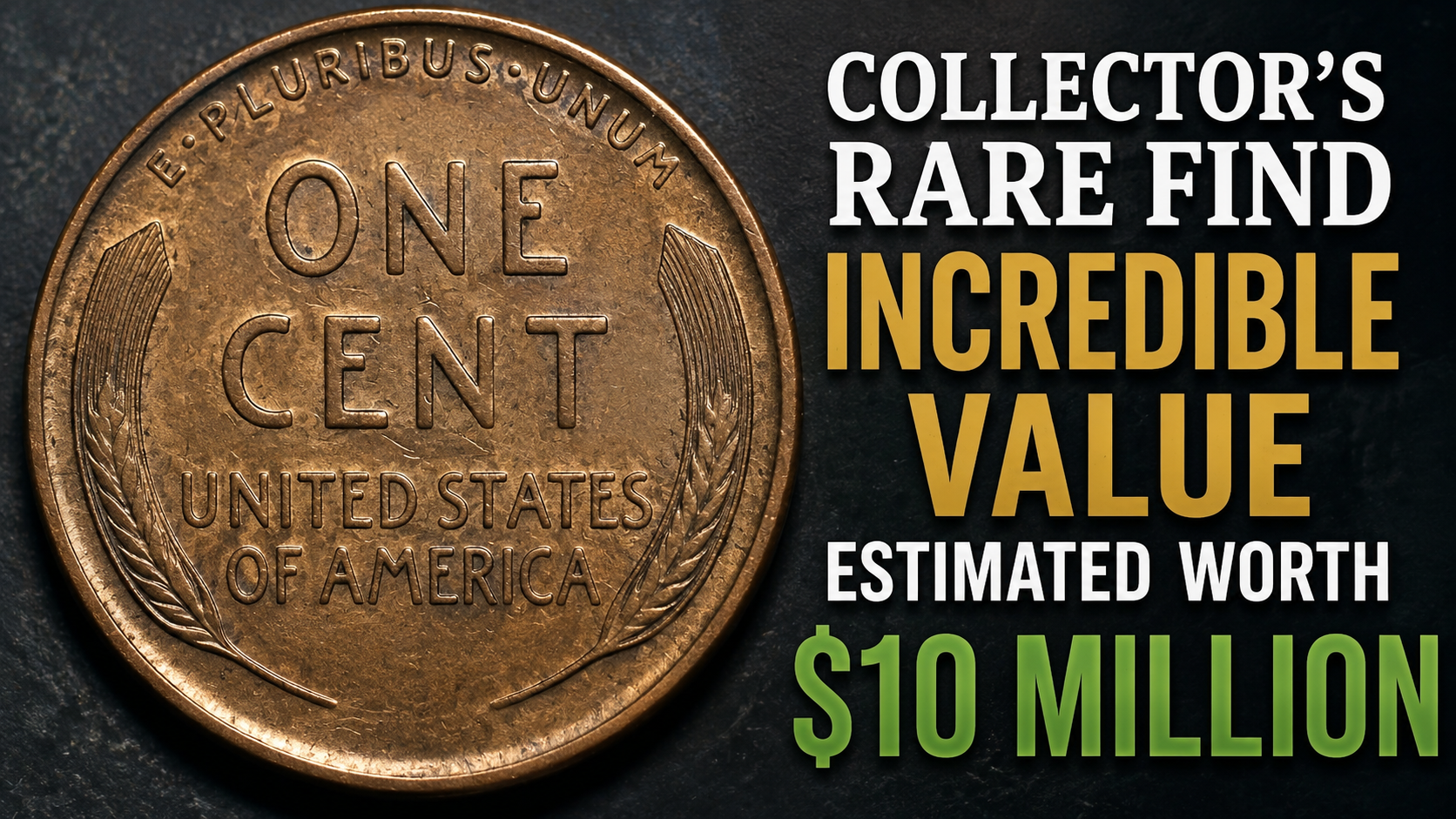
Did you know that a simple Lincoln Wheat Penny hiding in your pocket change could be worth hundreds of thousands of dollars? While millions of Wheat Pennies were produced between 1909 and 1958, a few rare dates, mint errors, and high-grade examples have become some of the most valuable coins ever sold.
Before spending any old penny, take a closer look. You might be holding a hidden treasure without even realizing it.
1. 1955 Lincoln Wheat Penny (No Mint Mark)
The 1955 Philadelphia Wheat Penny without a mint mark is one of the most famous Lincoln cents among collectors. Although most examples are common, coins with exceptional condition or the famous Doubled Die Obverse error can be worth a fortune.
- Year: 1955
- Mint: Philadelphia (No Mint Mark)
- Metal: 95% Copper
- Designer: Victor David Brenner
What Makes It Valuable?
- High Mint State Grade
- Original Red Color
- Doubled Die Error
- Strong Strike
- Rare Mint Errors
Never clean an old coin. Cleaning can significantly reduce its value.
2. 1919 Lincoln Wheat Penny (No Mint Mark)
The 1919 Wheat Penny was struck at the Philadelphia Mint during the post-World War I era. Most examples circulated heavily, making high-grade coins increasingly difficult to find today.
- Look for doubled letters
- Off-center strikes
- Die cracks
- Lamination errors
- Original mint luster
3. 1952-D Lincoln Wheat Penny
Produced at the Denver Mint, the 1952-D Wheat Penny is another favorite among collectors. While common in circulated grades, pristine examples with full red color and mint errors command impressive prices.
- D Mint Mark
- Strong Wheat Ears
- Sharp Lincoln Portrait
- Original Copper Color
4. 1940 Lincoln Wheat Penny (No Mint Mark)
The 1940 Wheat Penny remains one of the most collected coins from the Lincoln Wheat series. High-grade examples and unusual minting errors continue attracting collectors worldwide.
- Double Die
- Die Crack
- Off-Center Strike
- Natural Red Color
How to Check Your Wheat Penny
- Check the year.
- Look for a mint mark.
- Inspect for doubling.
- Check overall condition.
- Never clean the coin.
- Store it safely.
- Have valuable coins professionally authenticated.
Final Thoughts
Many valuable Wheat Pennies still appear in old collections, inherited coin jars, estate sales, and even everyday pocket change. A single rare penny could be worth far more than its face value, making it worthwhile to inspect every old coin carefully.
Whether you’re an experienced collector or just getting started, every Wheat Penny deserves a second look—you never know when you’ll discover your next hidden treasure.
Frequently Asked Questions
Q: Should I clean an old Wheat Penny?
No. Cleaning almost always lowers a coin’s value.
Q: Where is the mint mark located?
Below the date on the front of the coin. Philadelphia coins usually have no mint mark.
Q: Are all Wheat Pennies valuable?
No. Value depends on rarity, condition, color, and mint errors.
Have you ever found a rare Wheat Penny?
Leave a comment below and share your discovery with other collectors!