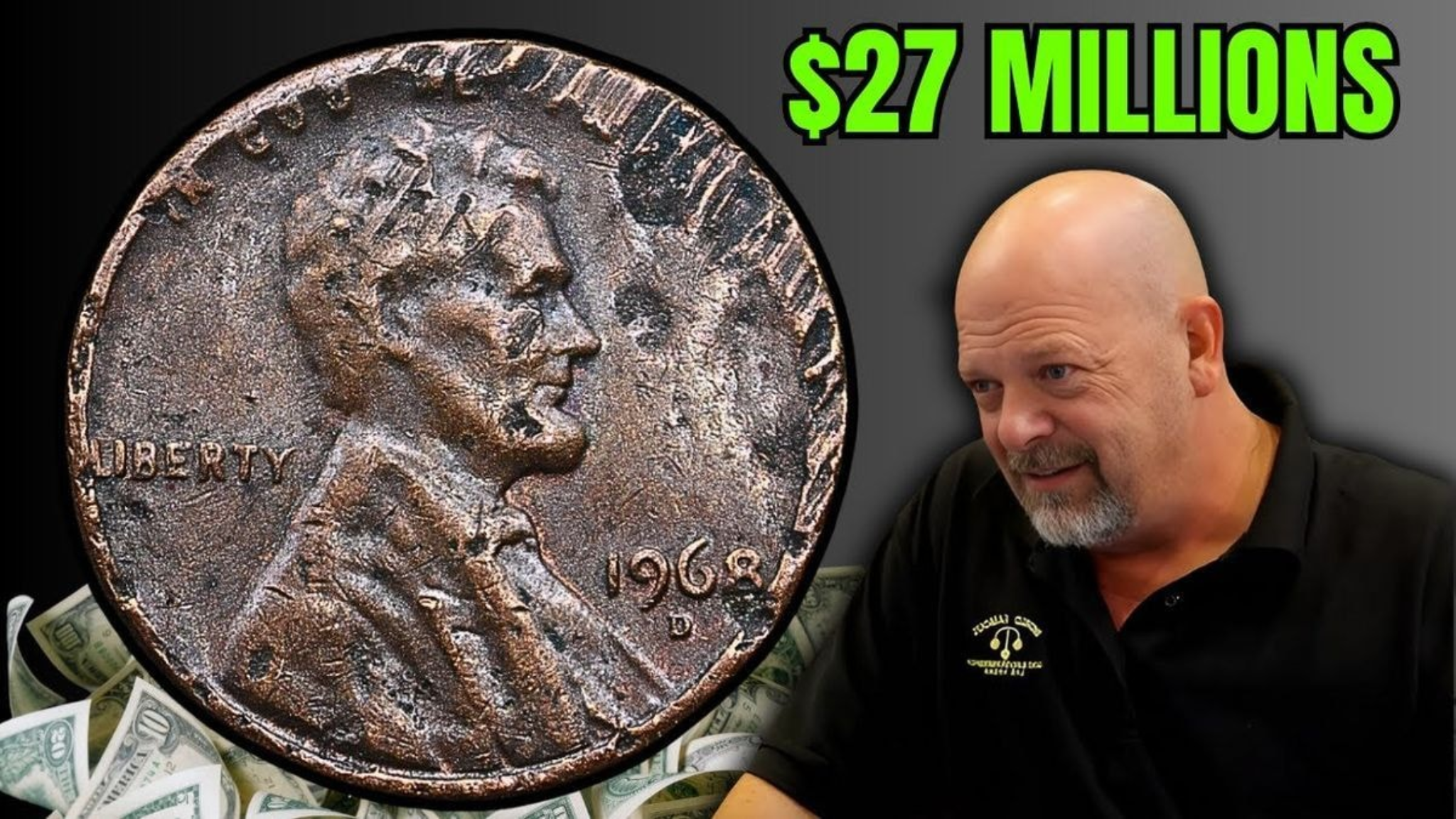
Most people don’t think twice about pennies. They sit in pockets, cup holders, and jars, often ignored or underestimated. However, the truth is far more exciting—some Lincoln pennies are worth thousands, hundreds of thousands, or even millions of dollars.
The Hidden Value in Everyday Coinage
For over a century, the Lincoln penny has been a staple of American currency. Yet, hidden among the common coins are rare specimens that have fetched life-changing sums at auction. These coins represent a fascinating intersection of history, error, and scarcity that captures the imagination of collectors worldwide.
Did you know? The most valuable Lincoln penny ever sold at auction fetched over $1.7 million. That’s 170 million times its face value!
Collecting rare coins is one of the oldest forms of investment and treasure hunting. The appeal lies not just in potential financial gain, but in owning a piece of history with a unique story. Lincoln pennies, in particular, offer an accessible entry point into this captivating hobby.
💰 Are There Really Pennies Worth Millions?
Yes—but they are extremely rare.
The most valuable Lincoln pennies gained their status due to wartime metal errors, low mintages, and dramatic minting mistakes. When collectors compete for coins with confirmed rarity, prices skyrocket. The combination of historical significance, minting anomalies, and impeccable provenance creates the perfect storm for record-breaking valuations.
Key Insight
Only a handful of the most exceptional Lincoln pennies have broken the million-dollar barrier. These coins typically have two things in common: they are one-of-a-kind errors from significant historical periods, and they have been professionally authenticated and graded by reputable services like PCGS or NGC.
🏆 The Most Valuable Lincoln Pennies Ever Found
1943 Copper (Bronze) Lincoln Penny
In 1943, pennies were supposed to be made from steel due to copper shortages during World War II. However, a few copper blanks from 1942 were accidentally left in the presses and struck with 1943 dies.
These 1943 copper pennies are legendary. Only about 20-40 are known to exist across all mints (Philadelphia, Denver, and San Francisco). One example from the Denver Mint sold for over $1.7 million, making it one of the most valuable pennies in the world.
Value: $200,000 – $1.7+ million
1944 Steel Lincoln Penny
In 1944, the mint returned to copper—but some leftover steel blanks from 1943 were mistakenly used. These “wrong metal” errors are highly prized by collectors.
These rare coins can sell for $100,000 to $400,000, depending on condition and mint mark. Unlike the 1943 copper cents, the 1944 steel pennies were struck on the correct year’s dies but on the wrong planchet.
Value: $100,000 – $400,000+
🔍 Other Rare Lincoln Pennies Worth Money
1909-S VDB Lincoln Penny
This is the most famous key-date penny. Only 484,000 were minted, and collectors have chased it for decades. The “S” mint mark indicates San Francisco, and the “VDB” are the designer’s initials (Victor David Brenner) on the reverse. Even worn examples can sell for thousands, while high-grade coins have exceeded $100,000.
1955 Doubled Die Penny
This dramatic error shows obvious doubling in the date and lettering. Many were released into circulation before the mistake was caught. Values range from $1,000 for well-worn examples to $50,000+ for uncirculated specimens. It remains one of the most recognizable error coins in U.S. numismatics.
1914-D & 1931-S Lincoln Pennies
Low mintages make these coins highly collectible. A well-preserved 1914-D penny (minted in Denver) can exceed $150,000, while a 1931-S (San Francisco) can sell for over $10,000. Both issues had production runs under 5 million, making them significantly scarcer than typical Lincoln cents.
📈 What Makes a Penny Valuable?
Understanding what drives coin values can help you identify potential treasures. Three primary factors determine a Lincoln penny’s market value:
Rarity:
Low mintage numbers, survival rates, and how many examples are known to exist in collectible condition. Some pennies had limited production due to economic conditions or mint directives.
Condition:
Grade is everything in numismatics. A coin graded MS-67 (Mint State) can be worth hundreds of times more than the same coin graded G-4 (Good). Preservation of original luster and surface quality dramatically impacts value.
Mint Errors:
Doubled dies, off-center strikes, wrong planchets, and other production mistakes can create unique coins that collectors highly prize. The more dramatic and obvious the error, the more valuable the coin tends to be.
Professional coin grading is essential before selling or investing. Reputable third-party grading services like PCGS, NGC, or ANACS authenticate coins, verify their condition, and encapsulate them in tamper-evident holders. This process eliminates questions about authenticity and condition, making the coin more marketable.
🪙 Final Thoughts
The hunt for rare Lincoln pennies is one of the most accessible treasure hunts in the world. These coins may still exist in old collections, inherited boxes, or forgotten jars of change. Every penny you examine could potentially be a hidden gem worth hundreds or even thousands of dollars.
Where to Look
Start by examining coins from key dates (1909-S, 1914-D, 1922 plain, 1931-S, 1955 doubled die) and wartime years (1943, 1944). Check for mint marks, unusual colors, and obvious errors. Old coin rolls, estate sales, and inherited collections are prime hunting grounds.
Whether you’re a seasoned numismatist or a curious beginner, the world of rare Lincoln pennies offers a fascinating journey through American history, metallurgy, and the occasional life-changing discovery. The next time you see a penny, take a closer look—it might be worth more than you think.
Remember: While million-dollar pennies are exceptionally rare, many Lincoln cents are worth substantially more than face value. With knowledge and a keen eye, you might just find a valuable piece of history in your own pocket.
© 2026 Coin Collecting Insights. This article is for educational and informational purposes only. Always consult with professional numismatists when buying, selling, or valuing rare coins.