Discover the hidden treasure in your wallet: rare 1988, 1993, and 1995 dollar bills that collectors pay premium prices for. Learn how to identify these “web notes” and potentially turn everyday banking into profitable hunting.
Quick Summary: Certain $1 bills from 1988, 1993, and 1995 were printed using an experimental “web press” method. These “web notes” have distinct features that make them valuable to collectors. You can still find them in circulation today!
What Are Web Notes?

Left: Regular bill with plate number below “E”. Right: Web note with plate number above “E”
To the untrained eye, a web note looks like a standard $1 bill. The difference isn’t in the design but in the printing method. While most bills use the traditional “intaglio” method (requiring three separate printings), web notes were printed using an experimental continuous roll system called web press printing.
The US Bureau of Engraving and Printing experimented with this method to increase efficiency, but it was abandoned due to:
- Frequent mechanical breakdowns
- Higher operational costs
- Lower print quality compared to traditional methods
This failed experiment is what makes these bills rare and valuable today. Web notes were only printed in three series: 1988A, 1993, and 1995.
💰 Why They’re Still Findable
While these bills are 25+ years old, they’re not so rare that they’ve been completely removed from circulation. Regular bank withdrawals and systematic searching can yield results.
How to Identify a Web Note
Identifying web notes is easier than you might think. Here are the two key identification methods:
Method 1: Front Plate Number Location
Regular Bill
Has a letter and number combination (e.g., “E 49”)
Web Note
Has only a number (e.g., “9”) with no letter
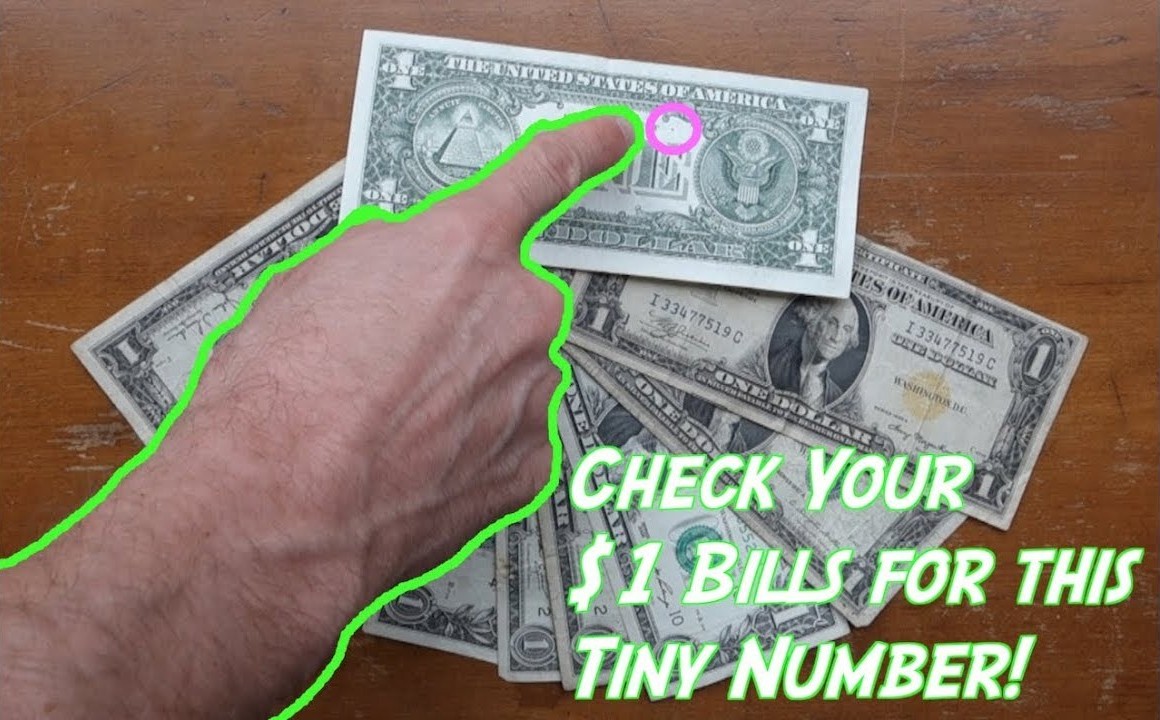
Method 2: Back Plate Number Location (EASIEST METHOD)
This is the fastest way to identify web notes:
- Regular Bill: Plate number appears below the “E” in “ONE”
- Web Note: Plate number appears above the “E”, next to “IN GOD WE TRUST”
Pro Tip: Whenever you encounter bills from 1988A, 1993, or 1995, immediately flip them over and check the back. The plate number location is unmistakable.

What Are Web Notes Worth?
| Condition | Estimated Value | Likelihood of Finding |
|---|---|---|
| Circulated (Good-Fine) | $4 – $20 | High – Most common find |
| Circulated (Excellent) | $20 – $100 | Medium – Worth careful searching |
| Uncirculated (Rare Find) | $100 – $1,000+ | Low – But possible from banks |
Realistic Expectations: While you won’t get rich hunting web notes, turning $1 into $5-$50 is absolutely achievable. The volume might be low, but the profit margin is excellent.
How to Hunt for Web Notes
Visit Your Bank
Withdraw $200-$500 in $1 bills. Tellers are usually happy to accommodate this request.
Sort by Year
Quickly separate 1988A, 1993, and 1995 bills. These are the only years that matter.
Check the Back
For each candidate bill, flip it over and look for the plate number above the “E”.
Verify Front Markings
Confirm by checking for the number-only front plate location.
Resell or Keep
List on eBay, sell to currency dealers, or add to your collection.
⚠️ Important Notes
- Always be respectful to bank staff – they’re your best resource
- Start small with $100-200 until you get the hang of identification
- Consider “recycling” non-web notes by depositing or spending them
- Keep notes in protective sleeves once found
Why This Isn’t “Too Good to Be True”
Some might dismiss this as another get-rich-quick scheme, but web note hunting is legitimate because:
- Limited Print Runs: Web notes represent a tiny fraction of printed currency
- Collector Demand: Currency collectors specifically seek these experimental notes
- Diminishing Supply: As bills wear out, remaining web notes become scarcer
- Low Barrier to Entry: Anyone with $100 and basic knowledge can participate
Frequently Asked Questions
Q: Can I still find these in 2024?
A: Absolutely! While less common than 10 years ago, web notes still surface regularly in bank withdrawals.
Q: Do I need special equipment?
A: No special equipment needed. A magnifying glass can help but isn’t necessary. Your eyes and knowledge are sufficient.
Q: Where should I sell found web notes?
A: eBay is most popular, but consider currency dealers, coin shows, or collector forums for quicker sales.
Q: How often will I find one?
A: Results vary widely. Some searches yield nothing; others might produce multiple finds in $500 of bills. Consistency is key.
Final Thoughts
Web note hunting represents one of the most accessible forms of “treasure hunting” available today. For minimal investment (just the face value of the bills), you gain the opportunity to:
- Learn about currency history and production
- Develop a profitable side skill
- Potentially find notes worth 5-100x face value
- Enjoy the thrill of the hunt without significant risk
Next time you’re at the bank, consider picking up a few hundred dollars in ones. You might just find a web note waiting to be discovered.
Ready to Start Hunting?
Action Steps:
- Save this article for reference
- Visit your bank this week
- Start with $200 in $1 bills
- Share your finds in the comments below!
Happy hunting, Silver Picker Squad!