Did you know there’s a 1999 Georgia quarter error worth $10,000?! That’s just ONE of 5 types of errors you should look for on your Georgia state quarters. We’ll help you determine if you have a Georgia error quarter, how much it’s worth, and how much regular Georgia quarters without errors are worth.
Key Discovery
A specific 1999 Georgia quarter error with a double-struck obverse can be worth up to $10,000 in pristine condition!
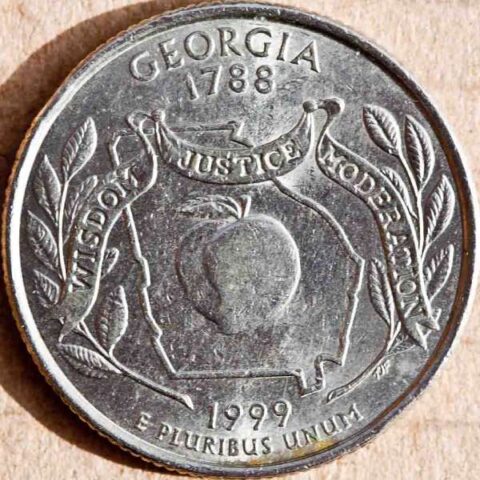
The 1999 Georgia Quarter: America’s 4th State Quarter
The Georgia quarter was released on July 19, 1999, as the fourth coin in the 50 State Quarters Program. It features a peach (Georgia’s state fruit), sprigs of live oak (Georgia’s state tree), and the state motto “Wisdom, Justice, Moderation” on a banner.
While millions of these quarters were minted, a small number contain valuable errors that make them highly sought after by collectors. These error quarters can be worth anywhere from $50 to over $10,000 depending on the type and severity of the error.
5 Georgia Quarter Errors To Look For

Here are the most valuable Georgia quarter errors that could be hiding in your pocket change:
1. Double-Struck Obverse
The coin was struck twice, with the second strike slightly offset. This is the most valuable error for Georgia quarters.
Value: $1,000 – $10,000
2. Off-Center Strike
The coin was struck off-center by 5% to 15%. The more off-center, the more valuable.
Value: $50 – $500
3. Broad-Struck Error
The coin was struck without the collar die, causing it to spread out beyond normal dimensions.
Value: $75 – $300
4. Die Break/Cud Error
A piece of the die broke off, creating a raised blob of metal on the coin’s surface.
Value: $40 – $200
5. Clipped Planchet
The coin was struck on an incomplete metal blank, resulting in a curved clip on the edge.
Value: $30 – $150
How To Identify The $10,000 Double-Struck Georgia Quarter
The most valuable error is the double-struck obverse. Here’s what to look for:
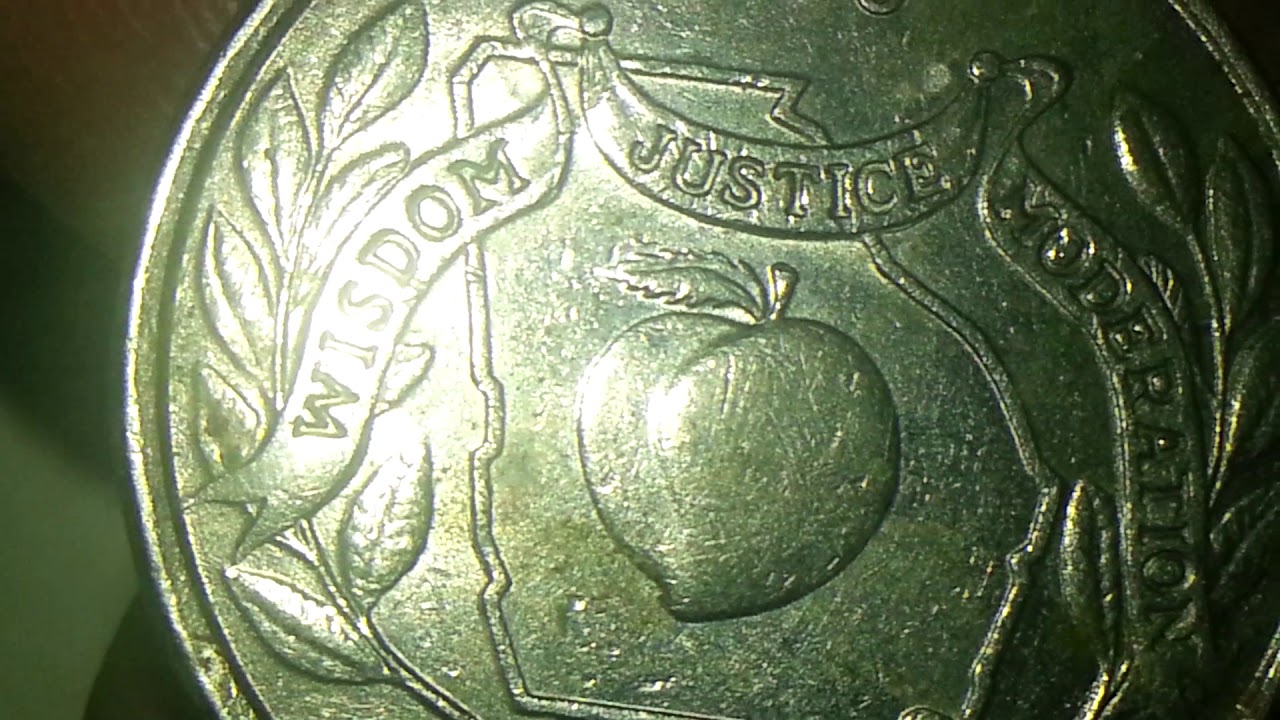
- Clear doubling of design elements – especially visible on the peach, leaves, and text
- Two distinct images slightly offset from each other
- Strong second strike – not to be confused with “machine doubling” which has a flat, shelf-like appearance
- Well-centered first strike with the second strike rotated or offset
For the double-struck error to command the $10,000 price, it must be in mint state condition (MS-65 or higher) with clearly visible doubling across most design elements.
Value Of Regular Georgia Quarters (No Errors)
Even without errors, some Georgia quarters have value to collectors:
| Year & Mint Mark | Condition | Approximate Value |
|---|---|---|
| 1999-P (Philadelphia) | Circulated | Face value (25¢) |
| 1999-P (Philadelphia) | Uncirculated (MS-63) | $1 – $3 |
| 1999-D (Denver) | Circulated | Face value (25¢) |
| 1999-D (Denver) | Uncirculated (MS-63) | $1 – $3 |
| 1999-S Proof (San Francisco) | Proof condition | $5 – $10 |
| 1999-S Silver Proof | Proof condition (90% silver) | $10 – $15 |
Where To Look For Georgia Quarter Errors
Check these places for potentially valuable error quarters:
- Your pocket change – people still spend rare coins without knowing their value
- Bank rolls – ask for quarter rolls and search through them
- Estate sales and garage sales – often have old coin collections
- Coin dealers’ “junk” boxes – sometimes contain overlooked errors
- Inherited collections – family members may not know what they have
Final Thoughts
While most 1999 Georgia quarters are worth only face value, a small number contain minting errors that make them highly valuable to collectors. The most prized is the double-struck obverse error, which can be worth up to $10,000 in top condition. Always examine your Georgia quarters carefully—you might be holding a small fortune in your pocket!
Remember: The value of error coins depends heavily on condition and the visibility of the error. If you think you have a valuable error, consider having it authenticated and graded by a professional service like PCGS or NGC.