Complete Guide to 1927 Penny Values: No Mintmark, 1927-D, 1927-S, and Valuable Error Coins
Did you know that a seemingly ordinary 1927 wheat penny could be worth thousands of dollars? While most 1927 Lincoln cents are common, certain varieties and errors command astonishing prices from collectors. In this comprehensive guide, we’ll explore exactly what makes a 1927 penny valuable and help you identify if you have a hidden treasure in your pocket change or collection.

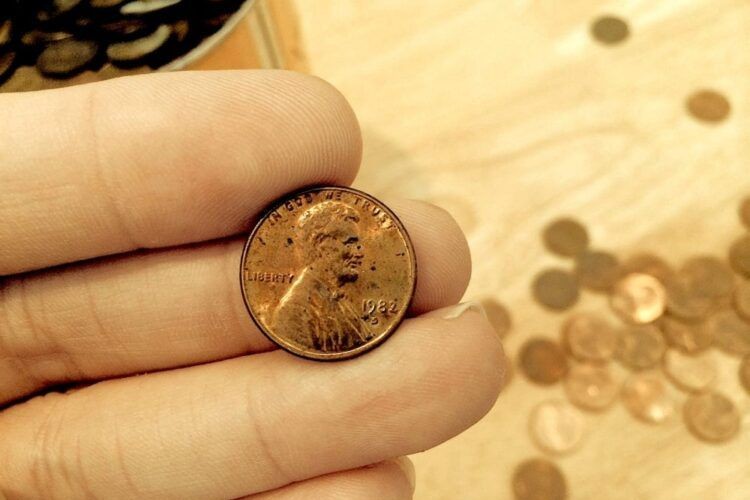
The three key 1927 wheat penny varieties: Philadelphia (no mintmark), Denver (D), and San Francisco (S).
How Much Is a 1927 Wheat Penny Worth?
The 1927 wheat penny was minted in three locations: Philadelphia (no mintmark), Denver (D mintmark), and San Francisco (S mintmark). Values vary dramatically based on mintmark, condition, and rarity. While worn examples might be worth just a few dollars, uncirculated specimens can bring hundreds or even thousands.
1927 Penny Value Chart
| Variety & Grade | Approximate Value Range | Key Characteristics |
|---|---|---|
| 1927 (No Mintmark) – Good | $1 – $3 | Heavily worn, all major features visible but flat |
| 1927 (No Mintmark) – Extremely Fine | $10 – $25 | Light wear on highest points, sharp details |
| 1927 (No Mintmark) – Uncirculated | $75 – $500+ | No wear, original luster, marks from handling |
| 1927-D (Denver) – Good | $2 – $5 | More valuable than Philadelphia issue in same grade |
| 1927-D (Denver) – Extremely Fine | $20 – $40 | Moderately scarce in higher grades |
| 1927-D (Denver) – Uncirculated | $150 – $1,000+ | Full red examples command premium prices |
| 1927-S (San Francisco) – Good | $1 – $4 | Similar to Philadelphia in lower grades |
| 1927-S (San Francisco) – Extremely Fine | $15 – $35 | Better date in the wheat penny series |
| 1927-S (San Francisco) – Uncirculated | $100 – $800+ | Challenging to find with original surfaces |
The Rare 1927 Penny That Can Be Worth $10,000+
While most 1927 pennies are relatively affordable, there’s one exception that can reach five-figure prices: the 1927-S in MS67+ Red condition. In 2021, a spectacular 1927-S penny graded PCGS MS67+ Red sold for over $10,000 at auction. These superbly preserved examples with full original mint red color are exceptionally rare.
What makes the 1927-S so valuable in top condition? The San Francisco Mint produced lower quality strikes in 1927, with many coins showing weak details. Finding a 1927-S with sharp strikes, full details, and vibrant original red color is a major challenge for collectors, driving prices for premium examples into the thousands.
Key Takeaway
Condition is everything with 1927 pennies. While circulated examples are common and inexpensive, uncirculated coins with original red color can be worth hundreds or thousands of times more. Always examine your 1927 pennies carefully for signs of wear and original surface quality.
1927 Penny Error List: Mistakes That Increase Value
Error coins can dramatically increase the value of a 1927 wheat penny. Here are the most valuable errors to look for:
1. 1927 Doubled Die Obverse (DDO)
Doubling on the date, “IN GOD WE TRUST,” or Lincoln’s features. A strong doubled die can increase value to $500+ even in circulated grades.
2. 1927 Repunched Mintmark (RPM)
Look for overlapping or doubled mintmarks on 1927-D and 1927-S pennies. RPM varieties can add $50-$300 to the coin’s value depending on visibility and grade.
3. 1927 Off-Center Strikes
Coins struck misaligned can be worth $75-$500 depending on the percentage off-center and the preservation of date and mintmark.
4. 1927 Die Cracks and Cuds
Large die breaks that transfer raised metal to the coin’s surface. Significant die cracks or cuds can add $25-$200 to value.
⚠️ Beware of Altered Coins
Unfortunately, some unscrupulous sellers try to alter common 1927 pennies to make them appear more valuable. Watch for:
- Added mintmarks: A “D” or “S” added to a Philadelphia coin
- Whizzing: Mechanical polishing to make a coin appear uncirculated
- Artificial toning: Chemicals applied to simulate natural patina
When in doubt, have valuable coins authenticated by PCGS or NGC.
Grading Your 1927 Penny: What to Look For
Accurate grading is essential to determining your 1927 penny’s value. Key wear points on Lincoln wheat pennies include:
- Lincoln’s cheek: The highest point on the portrait – shows wear first
- Wheat stalks on reverse: Look for separation between kernels
- Legend “LIBERTY”: Letters should be sharp and fully defined
- Coat details: On Lincoln’s shoulder – often weak even on uncirculated coins
For uncirculated coins, color is critical:
- Red (RD): Full original copper color – most valuable
- Red-Brown (RB): Mix of red and toning – moderate premium
- Brown (BN): Fully toned – least valuable uncirculated grade
Where to Find 1927 Pennies Today
1927 wheat pennies can still be found in:
- Old coin collections and accumulations – Check with family members
- Estate sales and auctions – Often overlooked in bulk lots
- Coin rolls from banks – Rare but still possible in original bank-wrapped rolls
- Metal detecting – Particularly in areas with early-to-mid 20th century activity
- Online marketplaces – eBay, Etsy, and specialty coin sites
Final Thoughts: Is Your 1927 Penny Valuable?
While most 1927 wheat pennies are modestly priced at $1-$50, exceptional examples in pristine condition or with dramatic errors can be worth hundreds or even thousands of dollars. The key factors are mintmark, condition, color preservation, and errors/varieties.
If you find a 1927 penny, examine it carefully under good lighting with a magnifying glass. Check for a mintmark on the reverse (below “ONE CENT”), assess the amount of wear, look for doubling or other errors, and if it appears uncirculated, consider professional grading—especially if it has full red color.
Remember that rare coin values fluctuate with the market, so for current prices on high-value specimens, consult recent auction results or reputable coin dealers.