Imagine reaching into your pocket for change and discovering a penny worth more than a luxury mansion. It may sound like fantasy, but stories about a Lincoln Wheat Penny valued at a staggering $33 million have sparked global curiosity and fueled dreams of hidden treasure.
While the authenticity of this specific valuation is heavily debated among experts, the legend continues to circulate—quite literally—through American pockets, cash drawers, and coin jars from coast to coast.
The Storied History of the Lincoln Wheat Penny
Introduced in 1909 to mark the 100th anniversary of Abraham Lincoln’s birth, the Lincoln Wheat Penny was a revolutionary design. Created by Victor David Brenner, it was the first U.S. coin to feature a real historical person. The obverse (heads) showcased a dignified portrait of Lincoln, while the reverse (tails) featured two sturdy wheat stalks, symbolizing national prosperity and agricultural growth.
From 1909 to 1958, billions of these “wheat ears” pennies were minted in Philadelphia, Denver (marked with a ‘D’), and San Francisco (marked with an ‘S’). They became the backbone of everyday commerce—used for candy in Chicago corner stores, bus fare in New York City, or a soda from a machine in Los Angeles.
Why Some Pennies Are Worth a Fortune (And It’s Not Just the $33M Myth)
While most wheat pennies are worth only a few cents, a select few possess errors, rare materials, or exceptional condition that make them numismatic superstars.
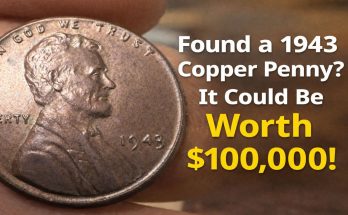
The most famous example stems from World War II. To conserve copper for the war effort, the U.S. Mint switched to making 1943 pennies from zinc-coated steel (which are silver in appearance). However, in a monumental minting error, a handful of copper planchets from 1942 were struck with 1943 dies.
The rare 1943 bronze Lincoln Penny is the “holy grail” for many collectors, with one selling for nearly $1.7 million in 2010.
These 1943 bronze pennies are among the rarest and most valuable U.S. coin errors. While no verified sale has ever approached $33 million, their seven-figure auction prices fuel the imagination and the legend. The $33 million figure is largely symbolic, representing the ultimate “what if” in coin collecting.
Could the $33M Penny Still Be in Your Pocket? The Hunt Is On.
Is it possible a multi-million dollar penny is still hiding in plain sight? Experts say it’s possible, but astronomically unlikely. Millions of wheat pennies remain in circulation, forgotten in piggy banks, dresser drawers, and coin rolls from Detroit to Dallas.
Modern “find” stories keep hope alive:
- A 1943 bronze penny was discovered in a Massachusetts high school student’s lunch money.
- A rare 1955 “Double Die” error penny was found in a batch of loose change in Phoenix.
These discoveries prove that numismatic treasure can still surface in the most ordinary places.
How to Identify a Rare Lincoln Wheat Penny: A Quick Guide
Want to check your change? Here’s your starter kit:
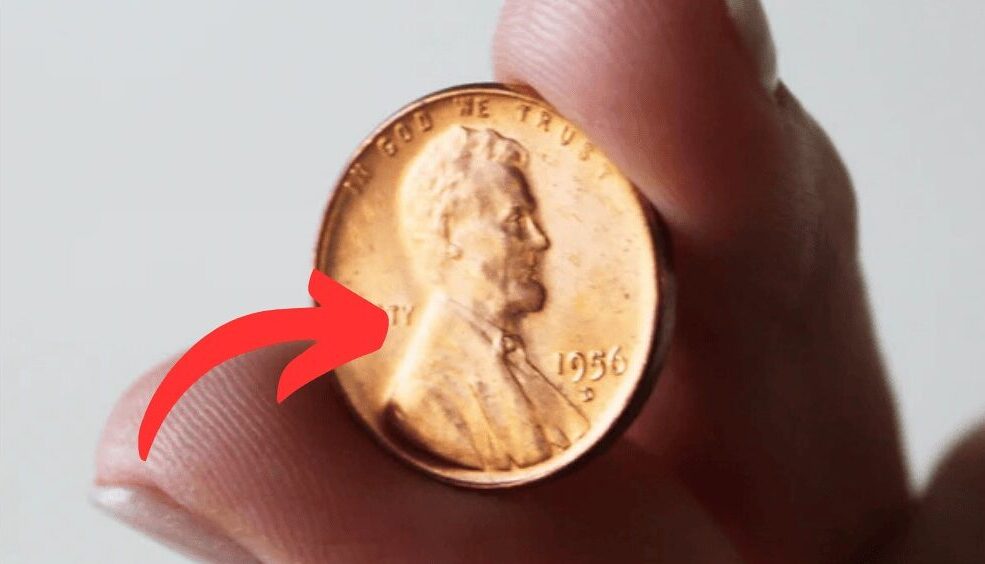
- Check Date & Mint Mark: Look on the obverse (front) below the date. Key dates include 1909-S VDB, 1914-D, 1922 “No D”, and of course, any 1943 penny that isn’t silver-colored.
- Magnet Test (for 1943): A standard 1943 steel penny will stick to a magnet. If your 1943 penny does not stick, handle it with extreme care and seek an expert—you may have the copper error.
- Examine Under Magnification: Look for doubling in the letters or date, which indicates a valuable “double die” error.
- When in Doubt, Get it Graded: For any suspect coin, services like PCGS or NGC can provide professional authentication and grading, which is essential for high-value sales.
The Enduring Allure of the Myth
The $33 million Lincoln Wheat Penny, whether real or not, serves a powerful purpose. It’s a modern-day fable that reignites interest in history, economics, and the simple thrill of the hunt. It reminds us that value is often hidden, and that a piece of history might be waiting in the most mundane places—perhaps even in your pocket right now.
FAQs: The Lincoln Wheat Penny
Is there really a Lincoln Wheat Penny worth $33 million?
No verified sale of any coin has ever reached $33 million. The figure is an internet-born myth. However, rare errors like the 1943 bronze penny have legitimately sold for over $1 million, making them incredibly valuable.
Are Lincoln Wheat Pennies still in circulation?
Yes! Although last minted in 1958, millions remain in circulation. You’re most likely to find them in older coin rolls from banks, estate sales, or even mixed in with your regular change.
What’s the single most valuable Lincoln Wheat Penny?
The 1943-D Bronze Penny is among the most valuable. Only a handful are known to exist. In 2021, one graded by PCGS sold for a record $1.7 million.
Where is the best place to look for valuable pennies?
Start by searching through inherited collections, old coin jars, and bank rolls (asking for “customer wrapped” rolls increases your chances). Coin shows and reputable online marketplaces are for buying known specimens.
Happy hunting! Whether you find a common wheat penny or the mythical $33M rarity, you’re holding a tangible piece of American history.