Could a multi-million dollar penny be hiding in your pocket change?
Every so often, a story emerges that turns loose change into treasure. Imagine rummaging through coins in your wallet or the bottom of your bag, only to pull out a Lincoln wheat penny that could be worth millions.
In the United States, the Lincoln wheat cent was struck from 1909 through 1958, and over the decades, a handful of rare varieties have captivated collectors. One particularly remarkable tale claims that a Lincoln wheat penny valued at $4.4 million might still be circulating among everyday coins.
While no firm public record confirms a penny of exactly that value moving in general commerce, this legend taps into a larger world of numismatic mystery, rarity, and chance.
“The legend of the $4.4 million penny reminds us that extraordinary value can hide in plain sight, waiting to be discovered by an observant eye.”
The Legacy of the Lincoln Wheat Penny
When the Lincoln wheat penny was introduced in 1909, it broke new ground: it was the first U.S. circulating coin to feature a president.
Coin Specifications:
- Years Minted: 1909-1958
- Designer: Victor David Brenner
- Obverse: Abraham Lincoln’s portrait
- Reverse: Two wheat stalks framing “ONE CENT”
- Composition: 95% copper (most years)
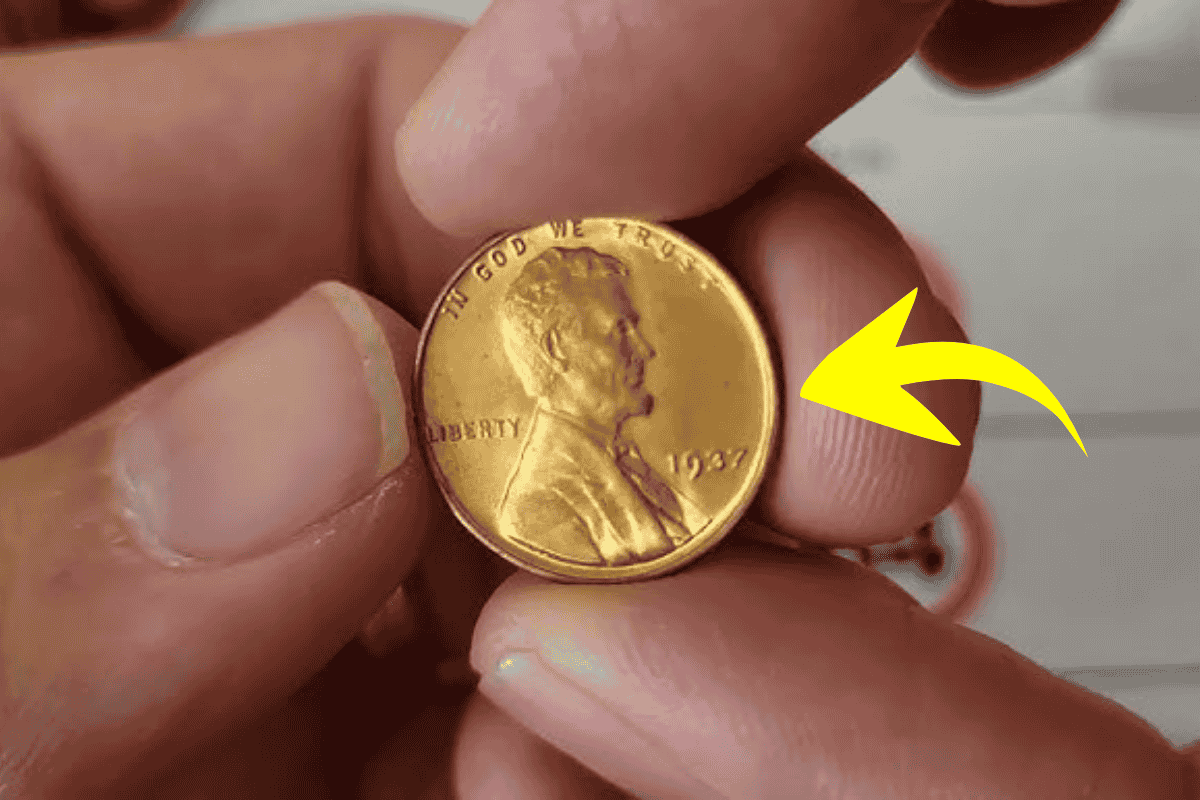
The obverse bears Abraham Lincoln’s likeness, and the reverse features two wheat stalks framing the words “ONE CENT” and “UNITED STATES OF AMERICA.” Over its fifty years of production, billions of these coins entered circulation—yet only a handful have become legendary.
Because so many were made, the vast majority of wheat pennies are worth only their face value or a modest collector premium. But among tens of thousands of varieties—mint mark differences, typographical errors, off-metal strikes—some coins are almost mythical in their value and scarcity.
What Makes a Penny Worth Millions?
Several factors determine whether a wheat penny might command a price in the millions:
🎯 Mint Error or Anomaly
A penny accidentally struck on the wrong metal or missing a mintmark can become instantly rare.
📉 Low Mintage
Some years or mint facilities produced far fewer coins than others.
💎 Exceptional Condition
A rare coin preserved in nearly perfect form can amplify its value many times over.
📜 Proven Provenance
A well documented history and verification by reputable grading services add legitimacy.
Famous Valuable Varieties:
| Coin | Why It’s Valuable | Approximate Value Range |
|---|---|---|
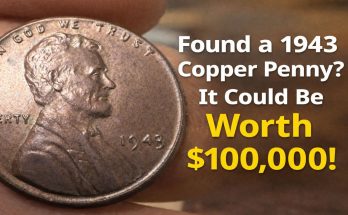
| 1943 Bronze Penny | Mistakenly struck in bronze instead of zinc-coated steel during WWII | $100,000 – $1,000,000+ |
| 1909-S VDB | Low mintage with designer’s initials later removed | $600 – $1,500+ |
| 1955 Doubled Die | Obverse struck twice in misalignment | $1,000 – $2,500+ |
| 1922 No D | Denver mint mark missing due to die polishing | $500 – $1,500+ |
The $4.4 Million Legend
The claim of a Lincoln wheat penny worth $4.4 million still circulating plays on this mix of myth and possibility. It suggests that among thousands of regular coins, one might slip through the cracks and survive unnoticed in everyday hands.
Whether in New York City, Los Angeles, Chicago, or a small town in Iowa, that penny could, in theory, change a life if discovered.
In numismatic circles, unrealistic valuations are sometimes used to generate excitement or caution. While no confirmed public auction has reported exactly $4.4 million for a wheat penny to date, there are documented cases of Lincoln cents selling for immense sums—some reaching into the mid-six figures or more when condition, rarity, and verified provenance align.
Thus, the legend functions as both a fable and a challenge: check your change, examine nearby, and remain open to surprises.
How to Spot a Potential Treasure
🔍 Your Wheat Penny Checklist:
Even if you don’t find a $4.4 million coin, you might stumble on something worth thousands—or gain satisfaction in the hunt itself.
Final Thoughts
The legend of a Lincoln wheat penny worth $4.4 million still in circulation is a powerful reminder that the world of coin collecting brims with possibility, myth, and real stories of value.
While such a penny remains speculative, the documented history of rare Lincoln cents—like the 1943 bronze anomalies or the 1909-S VDB pieces—shows that extraordinary value can indeed emerge from common metal.
So next time you count your change, take a moment to scrutinize those humble pennies. Between your fingers might slip not just a cent, but a piece of numismatic gold.
Frequently Asked Questions
What is a Lincoln wheat penny?
The Lincoln wheat penny is a U.S. one-cent coin minted from 1909 to 1958. It features Abraham Lincoln on the front and two wheat stalks on the back.
Why are some Lincoln wheat pennies valuable?
Certain pennies are valuable because of mint errors, low mintages, or being preserved in exceptional condition. Rare varieties such as the 1909-S VDB, 1943 bronze cent, and 1955 doubled die are highly sought after.
Is there really a Lincoln wheat penny worth $4.4 million?
While no confirmed sale has reached exactly $4.4 million, the legend comes from reports of extremely rare pennies selling for immense sums. Some verified Lincoln cents have sold for hundreds of thousands of dollars.
How can I tell if my wheat penny is valuable?
Check the date and mintmark carefully, look for errors like doubling or wrong metal strikes, and consider professional grading. A magnet test can also reveal whether a 1943 penny is bronze or steel.
Where can I sell a rare wheat penny?
Valuable coins should be authenticated and graded by a professional service, then sold through a reputable auction house, coin dealer, or collector marketplace.