📌 Article Highlights
- Historical Significance: First U.S. coin featuring a real person
- Collector’s Dream: Some rare variants command millions
- Treasure Hunt: Learn how to identify valuable pennies
- Myth vs. Reality: The truth about extreme valuations
- Beginner-Friendly: How to start your own collection
🌟 The Allure of the Humble Cent
The Lincoln Wheat Penny stands as one of the most iconic and enduring coins in American numismatic history. First introduced in 1909 to commemorate the 100th anniversary of Abraham Lincoln’s birth, it broke centuries-old tradition by becoming the first regular-issue U.S. coin to feature the likeness of a real historical figure—rather than the allegorical Liberty that had dominated American coinage since its inception.
While the vast majority of these bronze pennies are common and worth little more than their one-cent face value, tantalizing stories of ultra-rare versions valued as high as $20 million continue to captivate imaginations worldwide. These extraordinary tales have sparked a modern-day treasure hunt, encouraging countless individuals to sift through old jars, inherited collections, coin rolls from banks, and even everyday pocket change in hopes of discovering a hidden fortune.
“Every Lincoln Wheat Penny tells a story—not just of American history, but potentially of life-changing discovery. The possibility, however remote, that one might hold exceptional value transforms ordinary coin examination into an exciting archaeological dig through one’s own possessions.”
— Numismatic Expert, American Coin Collectors Association
📜 A Brief History: The Lincoln Wheat Penny (1909-1958)
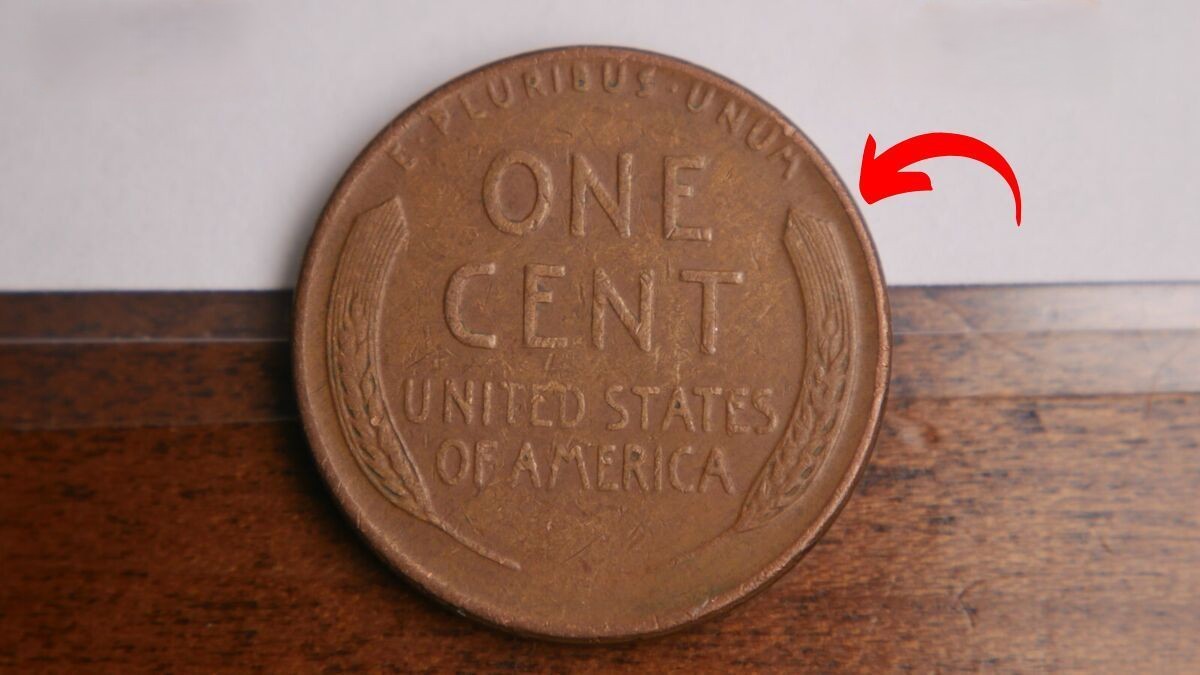
The Lincoln cent, with its distinctive wheat ears reverse, was minted for nearly five decades—from 1909 to 1958. The obverse (heads side) features a dignified portrait of President Abraham Lincoln designed by Lithuanian-born sculptor Victor David Brenner. The reverse (tails side) displays two stylized wheat stalks encircling the inscriptions “ONE CENT” and “UNITED STATES OF AMERICA.” This agricultural motif symbolized the nation’s prosperity and agricultural strength, resonating deeply during the early 20th century’s agrarian economy.
Billions of these coins entered circulation, making them a familiar piece of everyday American life through two World Wars, the Great Depression, and the postwar boom. Due to this immense production volume, finding a Lincoln Wheat Penny today remains relatively easy, and most circulated specimens carry only modest collectible value—typically between 3 and 50 cents.
🔍 Key Design Elements
- Designer: Victor David Brenner
- Metal: 95% copper, 5% tin/zinc (1909-1942, 1944-1958)
- Special WWII Issue: Zinc-coated steel (1943)
- Mint Marks: None (Philadelphia), D (Denver), S (San Francisco)
- Diameter: 19 mm
💰 Why Are Some Lincoln Wheat Pennies Worth a Fortune?
The notion of a Lincoln Wheat Penny commanding a $20 million price tag is tied exclusively to the rarest of the rare—not your average circulated coin found in a drawer. In numismatics (coin collecting), a coin’s value is determined by a confluence of critical factors:
| Factor | Explanation | Impact on Value |
|---|---|---|
| Rarity | How many were originally minted? How many survive today in any condition? | Extreme – Low mintage = Higher potential value |
| Condition (Grade) | Is the coin worn from circulation, or is it in pristine, mint-state condition with original luster? | Critical – A single grade point can multiply value 10x or more |
| Historical Significance | Does it represent a famous error, a unique variety, or a key historical moment? | Substantial – Stories and provenance add premium |
| Market Demand | How badly do collectors and investors want this particular coin? | Variable – Driven by trends, auctions, and collector competition |
Coins that were struck on the wrong planchet (metal blank), feature dramatic misprints, or come from years with extremely limited production can become the “holy grails” of the collecting world. When such a coin survives in top-grade condition (designated as Mint State Red, or MS-65 and above by grading services), it can ignite fierce bidding wars among deep-pocketed collectors, investors, and museums.
🏆 Famous & Ultra-Valuable Lincoln Wheat Penny Varieties
The stories of astronomical values typically point to a few legendary examples that have achieved mythic status among collectors:

The 1943 Copper Penny – The “Million-Cent” Error
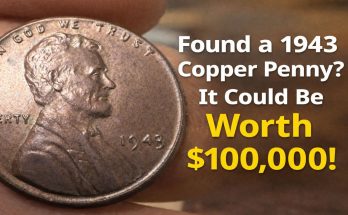
During World War II, the U.S. Mint switched from copper to zinc-coated steel to conserve copper for the war effort. However, in a remarkable minting error, a handful of 1943-dated pennies were mistakenly struck on leftover copper planchets from 1942. It’s believed that fewer than 20 of these copper 1943 pennies exist across all mints (Philadelphia, Denver, and San Francisco).
Record Sale: In 2021, one of these rare 1943 copper pennies graded Mint State Red (MS-62) by PCGS sold for a staggering $1.05 million at auction. While not $20 million, this sale showcases the seven-figure potential for the rarest Lincoln cent errors.
The 1909-S VDB – The Scandalous Inaugural Issue
The inaugural 1909 Lincoln cent from the San Francisco Mint (“S” mint mark) featured designer Victor David Brenner’s initials (VDB) prominently on the reverse at the bottom. Public and official criticism over the size and prominence of the initials led to their rapid removal within days of release.
This resulted in a very limited mintage of the 1909-S VDB (approximately 484,000 coins), making it one of the most famous and valuable key-date coins in the entire series. A top-grade example (MS-67 Red) can be worth well over $100,000, while even heavily circulated specimens command thousands.
Other Notable Valuable Dates & Errors:
- 1914-D: Low mintage makes this a key date; MS-65 examples can exceed $10,000
- 1922 Plain (No D): A striking error where the Denver mint mark is missing; worth thousands even in lower grades
- 1955 Doubled Die Obverse: Dramatic doubling visible in the date and lettering; a famous error worth $1,000+ in circulated condition
- 1944 Steel Cent: The reverse of the 1943 error—a steel penny struck in 1944; extremely rare
- Variety of Errors: Double strikes, off-center impressions, broadstrikes, and repunched mint marks can add significant premium to otherwise common dates
🔎 Could a $20 Million Penny Still Be in Circulation?
The possibility of finding a coin worth millions in your spare change is the stuff of collector dreams—but is it plausible? The short answer is: highly unlikely, but not entirely impossible.
History is filled with remarkable “sleeper” finds that give hope to every coin hunter:
💼 Bank Roll Discoveries
Collectors regularly search bank-wrapped rolls of pennies, sometimes finding rare dates, mint errors, or even valuable coins from other series mixed in.
🧳 Inherited Collections
Unrecognized treasures often surface when old collections are passed down through generations without proper cataloging.
🐖 Old Piggy Banks & Jars
Containers untouched for decades sometimes yield coins in pristine condition, preserved from circulation wear.
However, most pennies with genuine potential to be worth six or seven figures are already known to the numismatic community, professionally graded and encapsulated, and secured in private collections, museums, or safe deposit boxes. The odds of a genuinely $20-million specimen slipping through all these filters and appearing in a daily transaction are astronomically small. Yet, it’s that infinitesimal chance that keeps the hobby thrilling and motivates people to look closely at every wheat penny they encounter.
🛠️ How to Identify a Potentially Valuable Lincoln Wheat Penny
Becoming a savvy coin hunter requires knowing what to look for. Follow this step-by-step guide when examining your pennies:
📋 The Coin Hunter’s Checklist
text
1. Check the Date & Mint Mark
The mint mark (found below the date on the reverse from 1909-1958) indicates where it was minted:
No mint mark = Philadelphia
D = Denver
S = San Francisco
Key dates to prioritize: 1909-S VDB, 1914-D, 1922 Plain (no D), 1924-D, 1931-S, and 1955 Doubled Die.
2. Examine the Metal Composition
- 1943 Pennies: Should be silver-colored (zinc-coated steel) and magnetic. If you find a 1943 penny that’s copper-colored and non-magnetic, you may have a million-dollar error. Handle with extreme care!
- 1944 Pennies: Should be copper-colored. If you find a silver-colored 1944 penny, it’s a rare steel error worth thousands.
3. Inspect for Errors & Varieties
Use a magnifying glass (5x to 10x) to examine:
– Doubled Dies: Look for doubling in the date, “LIBERTY,” or “IN GOD WE TRUST”
– Off-Center Strikes: Is the design partially missing or shifted?
– Repunched Mint Marks (RPM): Do you see doubling or overlapping in the mint mark?
– Die Breaks: Look for raised lines or lumps (called “cuds”) on the coin’s surface
4. Assess Condition & Preservation
Value skyrockets with preservation. Look for:
– Sharp details in Lincoln’s hair and coat
– Full wheat stalks with clear separation on the reverse
– Original mint luster (shiny surface) with minimal wear
– No cleaning, scratches, or environmental damage
⚠️ Critical Warning: If you suspect you have something rare, DO NOT CLEAN IT! Cleaning permanently damages a coin’s surface and reduces its value by 90% or more. Handle coins by the edges and store them in protective holders.
5. Get a Professional Opinion
If you believe you’ve found a valuable coin:
1. Take clear, well-lit photographs from multiple angles
2. Consult reputable online resources and comparison tools
3. Visit a local coin shop with good reviews (not a pawn shop)
4. For potentially high-value coins, consider submission to professional grading services like PCGS or NGC for authentication and encapsulation
🎭 The Role of Collectors, Auctions, and Market Frenzy
The incredible prices associated with rare coins are driven by passionate collectors and competitive auction environments. When a unique piece with a compelling story comes to market, it can create a media frenzy and drive bids into the stratosphere. Private sales between affluent collectors can also result in record-breaking, headline-grabbing figures.
This cycle of discovery, authentication, auction, and publicity continually refreshes the legend of the “multi-million dollar penny.” The $20 million figure often cited represents not a completed sale, but the ultimate collector’s fantasy—what the rarest possible coin, in perfect condition, with impeccable provenance, might theoretically command if all the right buyers competed simultaneously.
🇺🇸 Why the Lincoln Wheat Penny Endures as an American Icon
The Lincoln cent’s lasting appeal lies in its remarkable accessibility and historical resonance. Unlike rare gold coins locked in vaults or museum cases, wheat pennies were touched, spent, saved, and lost by generations of Americans. They are tangible pieces of history from pivotal moments: both World Wars, the Great Depression, the rise of industrial America, and the post-war economic boom.
This personal connection transforms coin collecting from a mere financial pursuit into a journey through America’s past. For beginners, building a complete “date and mint mark” set of Lincoln Wheat Pennies (excluding the major rarities) remains an affordable and educational entry into numismatics, teaching patience, historical knowledge, and observational skills.
“The Lincoln cent is America’s coin. More people have held one, saved one, or found one than any other denomination. In its copper (and steel) composition, we see the reflection of our nation’s struggles, triumphs, and everyday life across the 20th century.”
— David W. Lange, Numismatic Historian
🎯 Conclusion: Treasure Hunt or Numismatic Myth?
The claim of a $20 million Lincoln Wheat Penny sits precisely at the intersection of documented fact and collector folklore. While the most valuable examples are indeed worth life-changing sums—with several having sold for over $1 million—the specific $20 million figure is more representative of the ultimate numismatic fantasy than a documented sale price.
The truly monumental valuations are reserved for coins of unparalleled rarity and perfect condition, most of which are already accounted for in the numismatic record. However, smaller treasures await discovery: key dates in nice condition, interesting errors, and well-preserved examples that might be worth hundreds or thousands rather than millions.
Nevertheless, the hunt continues. Every roll of pennies from the bank, every inherited collection, every old jar in the basement holds a whisper of possibility. Whether you’re a seasoned collector with a focused set or someone just checking their change after a coffee purchase, the Lincoln Wheat Penny serves as a timeless reminder that history, art, and perhaps even a hidden treasure might be resting unnoticed in the palm of your hand.
📝 Important Disclaimer
This article is for informational and educational purposes only. Coin values are highly volatile and depend on specific characteristics such as grade, authenticity, surface preservation, and current market demand. The mention of extreme values (e.g., $20 million) is illustrative and refers to hypothetical maxima for the rarest possible specimens in ideal conditions. Always seek evaluation and authentication from accredited professional coin grading services (e.g., PCGS, NGC, ANACS) before making any significant purchase, sale, or insurance decision regarding coins. Past sale prices do not guarantee future value. Most Lincoln Wheat Pennies are worth between 3 cents and $5 in typical circulated condition.
📚 Further Reading & Resources
- Professional Coin Grading Service (PCGS)
- Numismatic Guaranty Company (NGC)
- United States Mint Official Site
- A Guide Book of United States Coins (The “Red Book”) by R.S. Yeoman