Stories about rare coins have always sparked fascination, but few capture the public’s imagination like the eye-catching claim that a Lincoln Wheat Penny could be worth $11 million and might still be hiding in everyday change. This extraordinary headline has fueled dreams and conversations among collectors and casual readers alike. While the idea seems almost too good to be true, understanding the real story behind Lincoln Wheat Pennies reveals why such claims emerge, how coin value is actually determined, and what collectors can realistically expect.
A Brief History of the Lincoln Wheat Penny
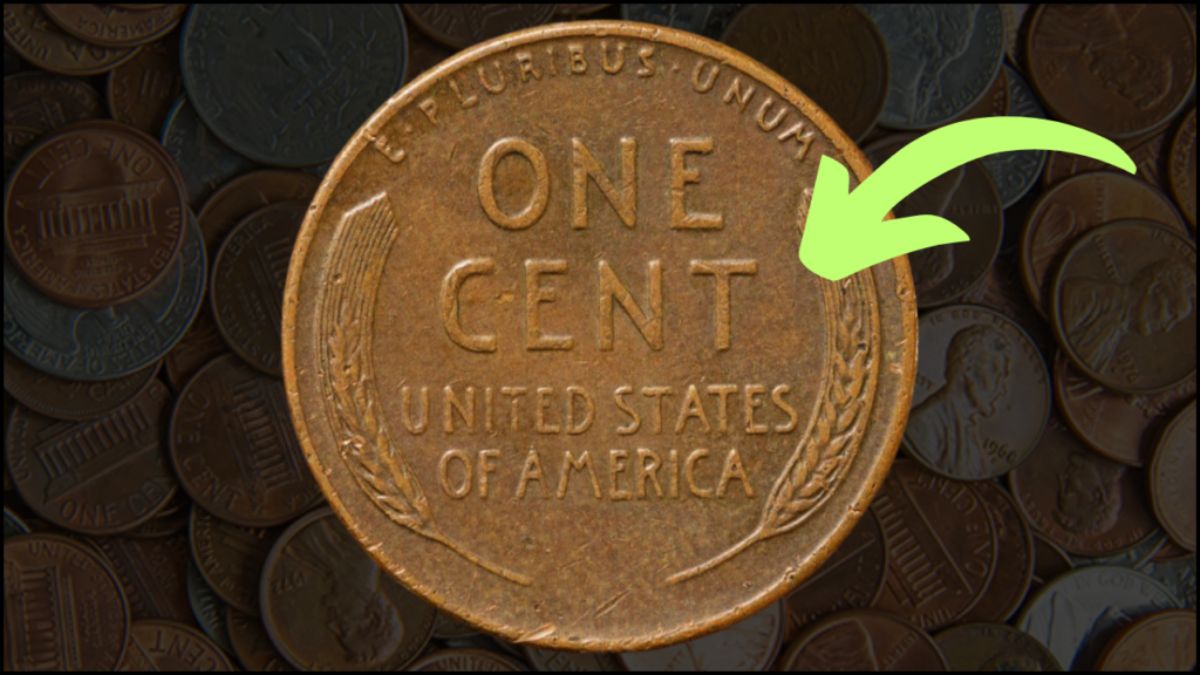
The Lincoln Wheat Penny made its debut in 1909, commemorating the 100th anniversary of Abraham Lincoln’s birth. This was a landmark moment in U.S. coinage—it was the first regular-issue American coin to feature the likeness of a real person. Designed by Victor David Brenner, the coin displays Lincoln’s profile on the obverse (front) and two stylized wheat stalks on the reverse (back), symbolizing prosperity and national unity.
This iconic design remained in production until 1958, when it was replaced by the Lincoln Memorial reverse. Over its five-decade run, the United States Mint produced billions of Wheat Pennies, most intended for everyday commerce. That’s why so many are still discovered today—tucked away in old jars, passed down in family collections, or even occasionally found in loose change.
Why Some Lincoln Wheat Pennies Are Truly Valuable
The vast majority of Lincoln Wheat Pennies are common and carry only a modest premium over face value. However, certain coins command significant prices due to a combination of factors:
- Rarity: Low-mintage years or coins from specific mint facilities (like the San Francisco Mint, marked “S”) are much harder to find.
- Minting Errors: Misstrikes, double dies, off-metal compositions (such as the famous 1943 copper penny), and other production flaws can turn an ordinary penny into a collector’s treasure.
- Condition: Coins graded in Mint State (uncirculated) or near-perfect condition are exponentially more valuable than worn examples.
The Origin of the $11 Million Valuation Claim
The sensational claim of an $11 million Lincoln Wheat Penny likely stems from a blend of genuine high-value coin sales and the amplification of stories online. As rare coin anecdotes circulate across social media and websites, details can become exaggerated. A penny that sold for a remarkable—but realistic—six-figure sum might gradually be transformed in retellings into a multi-million-dollar fantasy.
To date, no Lincoln Wheat Penny has ever been publicly verified as selling for $11 million. The most valuable examples have achieved impressive prices at auction, but they remain orders of magnitude below this fabled amount. The $11 million figure appears to be more of a hypothetical extreme or an urban legend than a documented transaction.
Famous Lincoln Wheat Pennies With Proven High Value
While the $11 million penny may be a myth, several Lincoln Wheat issues are authentically rare and valuable:
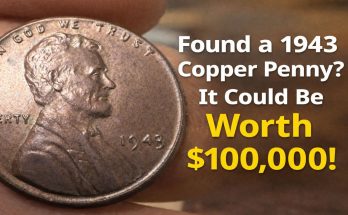
- 1943 Copper Penny: During World War II, pennies were struck in zinc-coated steel to conserve copper for the war effort. A tiny number were mistakenly minted on copper planchets. These rare errors have sold for over $200,000 in some cases.
- 1909-S VDB: This low-mintage issue features the designer’s initials (VDB) on the reverse. In high grades, it can sell for tens of thousands of dollars.
- 1922 Plain (No D): A rare variety from the Denver Mint that omitted the “D” mintmark. Specimens in top condition command strong five-figure sums.
These real-world examples highlight how rarity, demand, and condition interact—and also underscore the vast gap between confirmed market values and viral online claims.
Is It Possible for Such a Coin to Still Be in Circulation?
The notion that an $11 million penny could still be circulating in today’s change is highly improbable. Coins of such extreme rarity are typically identified and removed from circulation quickly once recognized by collectors, dealers, or grading services.
That said, valuable Wheat Pennies are occasionally discovered in unexpected places—inherited coin jars, old rolls, or even mixed in with modern change. Finds worth hundreds or thousands of dollars do happen, keeping the treasure-hunt excitement alive. But the chances of stumbling upon a previously unknown multi-million-dollar penny in everyday spending are astronomically low.
How Collectors Determine Real Value
Accurately assessing a coin’s worth involves several key steps:
- Examine Date and Mint Mark: These determine baseline rarity.
- Check for Errors or Varieties: Doubled dies, repunched mintmarks, and off-metal strikes can significantly increase value.
- Evaluate Condition: Professional grading services (like PCGS or NGC) provide standardized assessments on a 1–70 scale.
- Verify Authenticity: Counterfeits exist, especially for key dates. Professional authentication is essential for high-value coins.
Without expert verification, even a potentially rare coin may not realize its full market value.
Why Myths About Rare Coins Spread So Easily
Coin legends thrive because they tap into universal themes: history, mystery, and the dream of sudden wealth. In the digital age, dramatic headlines generate clicks and shares, often outpacing factual correction. Over time, repeated claims—even unsubstantiated ones—can gain a veneer of credibility.
The story of the $11 million Lincoln Wheat Penny fits this pattern perfectly. While it encourages people to look closer at their coins and learn about numismatics, it can also create unrealistic expectations.
The Real Joy of Collecting Lincoln Wheat Pennies
Beyond the hype, Lincoln Wheat Pennies remain one of the most accessible and historically rich areas of coin collecting. Building a complete date-and-mint set is an achievable goal for many, and each coin is a tangible piece of early-to-mid-20th-century American history. The thrill of filling an album slot or discovering a better-grade example is where many collectors find lasting satisfaction.
Conclusion: Separating Legend from Reality
The idea of a Lincoln Wheat Penny worth $11 million is more legend than fact. While no verified sale supports such an extraordinary valuation, certain Wheat Pennies are genuinely rare and valuable, making the hunt for them both exciting and educational. By understanding the real factors that drive numismatic value, collectors can focus on authentic opportunities and the genuine rewards of the hobby.
In the end, the true value of coin collecting often lies not in chasing mythical headlines, but in preserving history, building knowledge, and connecting with stories etched in metal.
Disclaimer
This article is for informational and educational purposes only. Coin values mentioned are based on historical data, market trends, and publicly available information, and they are subject to change over time. Nothing in this article should be construed as financial or investment advice. Readers are strongly encouraged to consult professional coin dealers or certified grading services for accurate identification, authentication, and valuation of any coins in their possession.