The 1970 quarter is often dismissed as an ordinary coin worth only face value. However, beneath its common appearance lies one of the most fascinating and misunderstood chapters in American numismatic history. While most 1970 quarters remain plentiful and affordable, select varieties and high-grade specimens have sold for astonishing prices—some reaching $541,000 at major auctions.
Key Takeaway
The value of a 1970 quarter ranges from 25 cents for common circulated examples to over half a million dollars for the rarest error coins in top condition. The key to identifying valuable pieces lies in understanding mintmarks, varieties, and grading standards.
Why the 1970 Quarter Is Historically Important
The 1970 quarter was produced during a major transition period in U.S. coinage. After the removal of silver from circulating quarters in 1965, the U.S. Mint shifted to copper-nickel clad composition. By 1970, hundreds of millions of quarters were struck annually at multiple mint facilities.
- Philadelphia Mint: No mintmark (common)
- Denver Mint: “D” mintmark (common)
- San Francisco Mint: “S” mintmark (proof coins only)
This massive production explains why most examples remain common today. However, rare minting mistakes and exceptional preservation create extraordinary value within this otherwise ordinary year.
Rare and Valuable 1970 Quarter Varieties
Not all 1970 quarters are created equal. Some varieties command massive premiums due to rarity and collector demand. Key varieties include:
- 1970-S No S Proof Quarter – One of the rarest modern U.S. coins, missing its mintmark by mistake. Only a few examples are known to exist.
- Small S and Large S Mintmark Varieties – Subtle differences in mintmark size can significantly affect value.
- Doubled Die Obverse and Reverse Errors – Misaligned dies creating doubling on design elements.
- Proof Coins with Exceptional Cameo Contrast – Deeply mirrored fields with frosted devices.
The famous 1970-S No S Proof Quarter stands at the top, with one example selling for $541,000, making it one of the most valuable quarters ever produced.
Condition and Grading: The Value Multiplier
Coin condition plays a critical role in determining value. Professional grading by services like PCGS or NGC dramatically increases buyer confidence and market value, especially for rare varieties.
| Grade/Condition | Typical Value Range | Notes |
|---|---|---|
| Circulated (Worn) | $0.25 – $5 | Face value for heavily worn examples |
| Fine to Extremely Fine | $5 – $50 | Moderate to light wear visible |
| Mint State (MS65+) | Hundreds of dollars | Uncirculated with strong eye appeal |
| High-end Mint State (MS67+) | $500 – $1,000+ | Exceptional preservation for the issue |
| Rare Error (Graded) | $10,000 – $541,000 | 1970-S No S Proof in top grades |
How to Identify a Valuable 1970 Quarter
Follow these steps to examine your 1970 quarters:
- Check the mintmark: Look for the “S” mintmark on the obverse (front) below “IN GOD WE TRUST.” No mintmark means Philadelphia.
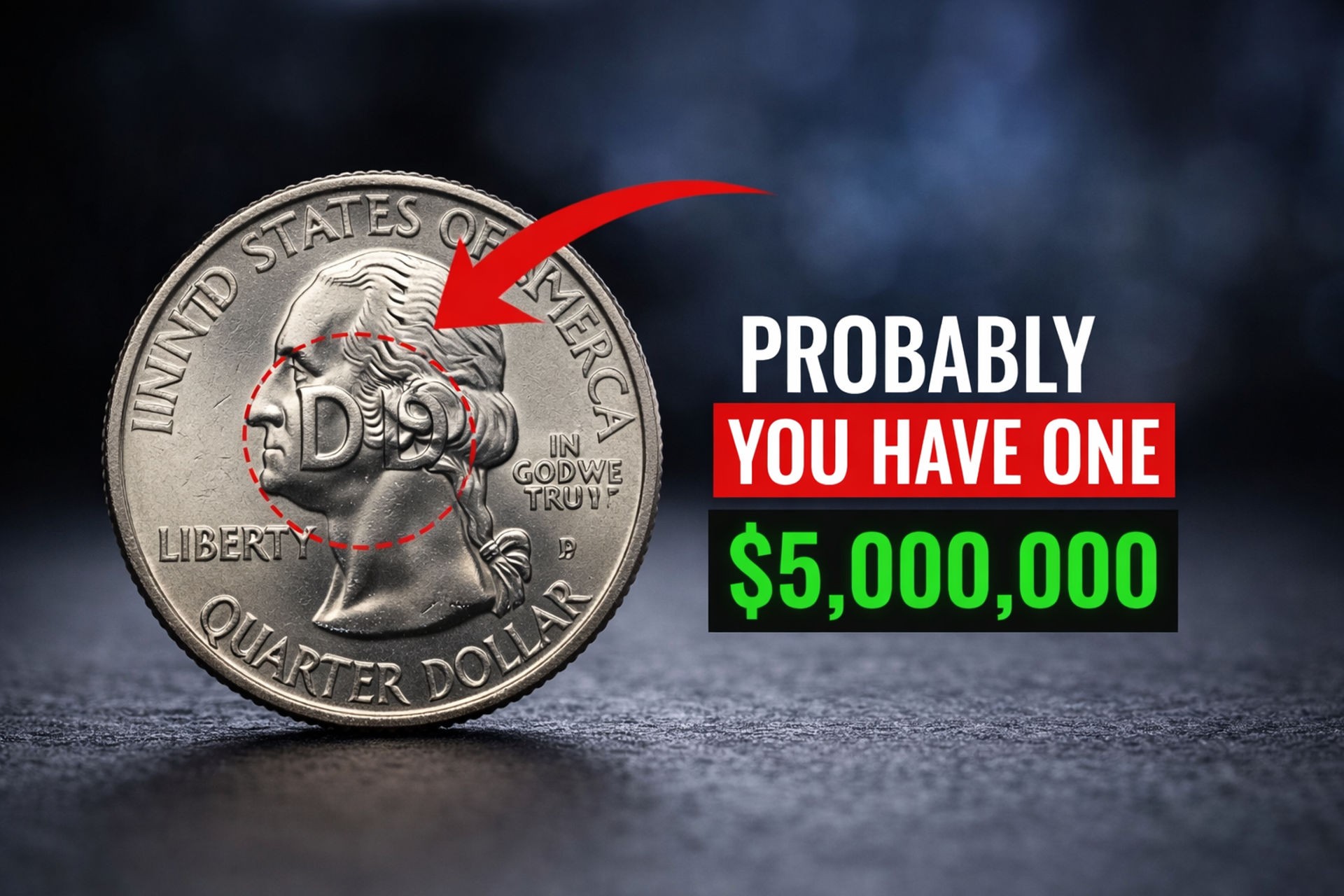
- Examine for errors: Use a magnifying glass to check for doubled dies, missing mintmarks, or other anomalies.
- Assess condition: Look for wear on Washington’s hair, shoulder, and the eagle’s breast feathers.
- Compare to known varieties: Reference reputable numismatic sources or online databases.
- Consider professional grading: For potentially valuable coins, third-party authentication is recommended.
Market Trends and Investment Potential
The market for high-quality 1970 quarters, especially rare varieties, has shown consistent strength over the past decade. Key factors driving this market include:
- Increasing interest in modern coin collecting (post-1965)
- Growing appreciation for mint errors and varieties
- Limited supply of top-graded examples
- Strong performance of registry set competition
Final Thoughts: Is the 1970 Quarter Worth Collecting?
While most 1970 quarters remain common, rare varieties and high-grade specimens prove that hidden treasures still exist. Whether you’re checking pocket change, building a date-and-mint set, or investing in certified coins, the 1970 quarter offers remarkable opportunities for collectors at every level. The key is education—understanding what makes certain examples valuable transforms an ordinary coin into a potential numismatic treasure.